Repair settlement cracks
Settlement cracks are a common issue in many homes. They can appear in brickwork, concrete, drywall, and foundations.
These cracks can be a sign of foundation settling, which may lead to structural problems. Identifying and repairing them early is crucial.
This guide will help you understand how to repair settlement cracks effectively. We will cover various materials and methods.
Whether you’re dealing with minor drywall cracks or significant foundation issues, this article has you covered.
Learn how to assess the damage, choose the right repair method, and when to call a professional.
What Are Settlement Cracks?
Settlement cracks occur when a building shifts over time. This movement is due to the settling of the soil beneath the structure.
These cracks can appear in different parts of a home, including walls, floors, and ceilings. They may start small but can grow larger if not addressed.
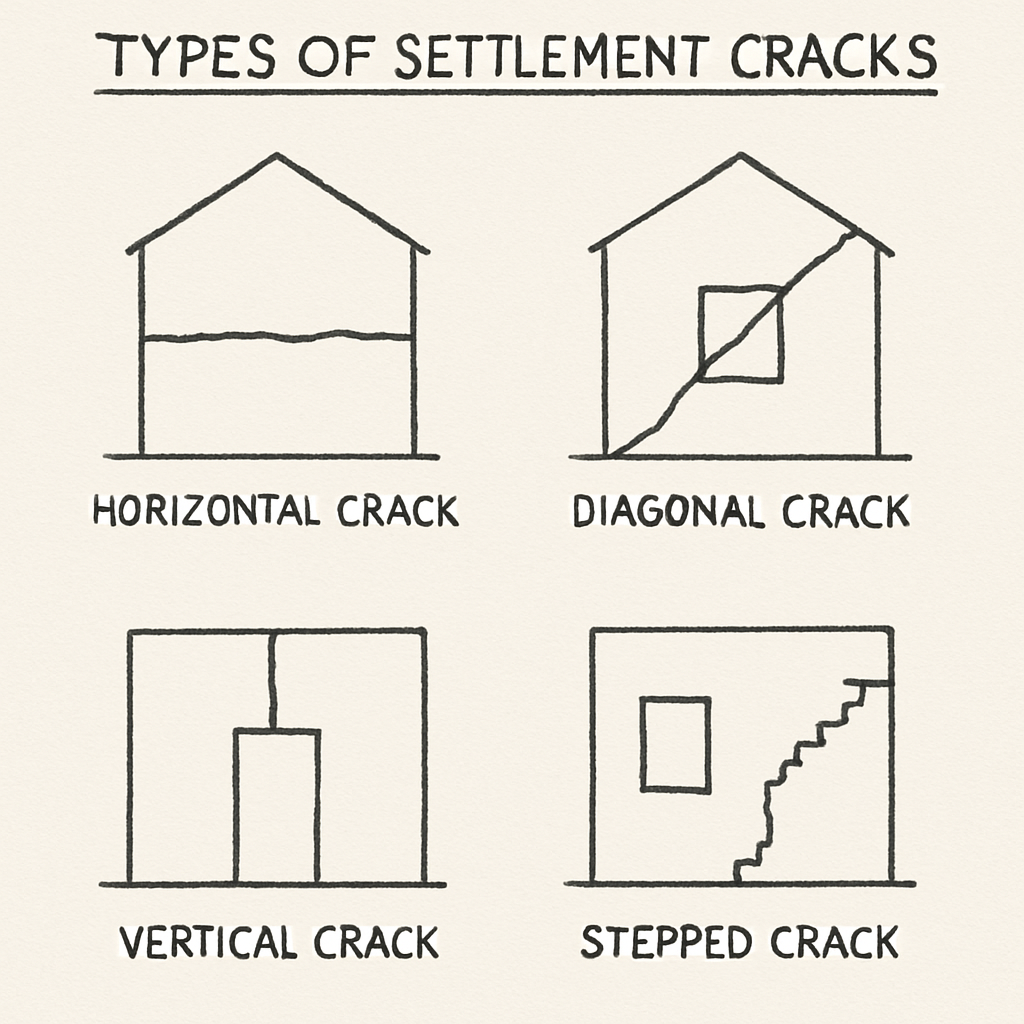
Common types of settlement cracks include:
- Hairline cracks in drywall
- Vertical or stair-step cracks in brickwork
- Horizontal cracks in concrete foundations
Understanding the nature of these cracks helps in determining the necessary repair steps. Identifying settlement cracks early can prevent more severe problems down the line.
Causes of Settlement Cracks in Homes
Settlement cracks often arise from several key factors affecting your home’s foundation. Soil conditions play a significant role in this process.
Common causes of settlement cracks include:
- Expansive clay soil that swells and contracts
- Poor drainage leading to waterlogged soil
- Foundation construction on uneven ground
Seasonal changes can further worsen the situation, causing the soil to freeze, thaw, and shift. Additionally, inadequate construction practices at the outset can make a foundation more susceptible to cracking.
Awareness of these causes can aid in prevention and prompt action when issues are first noticed. Regular inspection is essential for early detection.
How to Identify and Assess Settlement Cracks
Identifying settlement cracks involves examining various materials for specific signs. Different materials exhibit distinct crack patterns. Each requires careful observation.
Key steps in identifying settlement cracks:
- Inspect walls and floors for visible cracks.
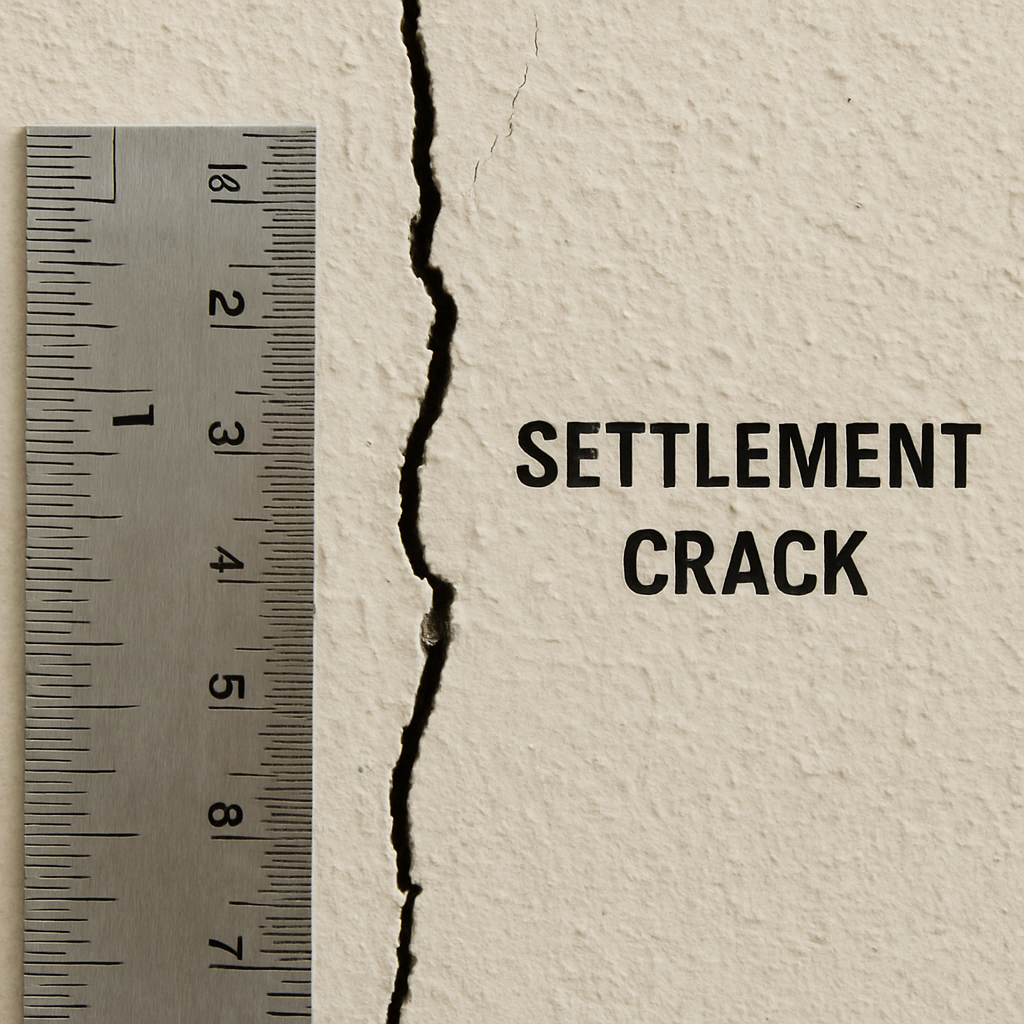
- Measure crack width and note any changes over time.
- Determine if cracks are vertical, horizontal, or diagonal.
Assessing the severity of these cracks is crucial. Minor hairline cracks might not need immediate repair, while wider cracks suggest significant issues. Monitoring crack progression helps in evaluating if the foundation is stable or worsening.
Regular documentation, including photographs and measurements, provides a helpful record of any changes. This practice supports informed decision-making on necessary repairs.
How to Repair Settlement Cracks in Drywall
Repairing settlement cracks in drywall is often straightforward. Start by sanding the area lightly. This removes any rough edges.
Next, apply joint compound to fill the crack. A putty knife smooths out the surface. Let the compound dry completely.
Once dry, sand the area again for an even finish. Apply a second coat if needed. This ensures the surface is perfectly smooth.
Finish by painting over the repair to match the surrounding wall. This completes the task, making the cracks invisible. Regular checks prevent future damage.
Steps to repair drywall cracks:
- Sand rough edges
- Apply joint compound
- Sand again and repaint
How to Repair Settlement Cracks in Brickwork
Fixing settlement cracks in brickwork requires careful attention. First, clear out loose mortar and debris using a chisel or a stiff brush. This prepares the surface for new mortar.
Next, mix fresh mortar to a smooth consistency. Fill the cleaned cracks with the mortar using a pointing trowel. Ensure the mortar is packed firmly.
Smooth the surface to align with the original brickwork. Allow the mortar to set for a day before touching it. This ensures durability and a seamless look.
Steps for repairing brickwork cracks:
- Remove old mortar
- Mix and apply new mortar
- Align and smooth the surface
How to Repair Settlement Cracks in Concrete
Concrete cracks are common and need prompt attention. Start by cleaning the crack thoroughly. Use a wire brush or pressure washer to remove dirt and debris. Clean surfaces allow for better adhesion of repair materials.
For smaller cracks, a concrete crack filler or epoxy injection is typically sufficient. Choose the appropriate compound based on the depth and width of the crack. Fill the crack completely, ensuring there are no air bubbles.
Allow the repair material to cure as per the manufacturer’s instructions. This step is crucial for ensuring the longevity of the repair. Proper curing prevents future issues.
Steps to repair concrete cracks:
- Clean the crack
- Choose an appropriate filler
- Allow adequate curing
How to Repair Settlement Cracks in Foundation
Foundation cracks can pose significant risks to your home’s structural integrity. Begin by accurately assessing the extent and type of cracks. Use a level to check for alignment issues, as misalignment can indicate severe settling.
For hairline or minor foundation cracks, a flexible foundation repair compound often suffices. Apply the compound with a trowel, smoothing it evenly across the crack. For significant cracks, professional assessment and repair may be necessary, such as underpinning or wall anchors.
Regular monitoring of your foundation can help prevent future damage. Addressing small issues early is key to avoiding costly repairs later. Keep a maintenance log to track crack developments.
Foundation crack repair steps:
- Assess crack severity
- Use repair compounds for minor issues
- Consider professional help for major cracks
When to Call a Professional for Foundation Settling Repair
Sometimes, DIY repair may not be enough for foundation problems. If you notice large cracks over 1/4 inch wide, or if they are expanding quickly, it’s time to call a pro. They can properly assess the issue and provide tailored solutions.
Visible shifts in your foundation or stuck doors and windows are also red flags. These signs may indicate severe structural damage needing expert attention.
Indicators to call a professional:
- Cracks wider than 1/4 inch
- Rapidly expanding cracks
- Noticeable shifts in foundation
How Much Does It Cost to Repair Settlement Cracks?
The cost to repair settlement cracks varies widely. It depends on the severity and type of damage present. Minor DIY fixes might cost less than $100 for materials, while major repairs can run into thousands.
Professional foundation repair often includes inspection fees and labor costs. Keep in mind, investing in proper repair now can save significant amounts later.
Factors affecting repair costs:
- Severity of the cracks
- Type of repair method needed
- Professional labor and inspection fees
Preventing Future Settlement Cracks
Proactively preventing settlement cracks can save you time and expense. Regular maintenance and inspection are key components. Address minor issues before they escalate into major problems.
Focus on moisture control to protect your foundation. Ensure proper drainage around your home and maintain consistent soil moisture levels.
Additional preventive measures include:
- Regular home inspections
- Promptly sealing small cracks
- Reinforcing foundations as needed
By implementing these strategies, you can help safeguard your home against future settlement issues.
Key Takeaways and Final Tips
Tackling settlement cracks early is vital for home maintenance. Understanding and implementing proper repair techniques can save you money and stress.
Consider the following final tips:
- Regular inspections are critical.
- DIY for minor cracks, professional help for major ones.
- Always address moisture issues promptly.