Prevent costly foundation damage before it starts. Drainage correction, soil moisture management, gutter repair, and more — engineered for North Texas clay soils.
Proactive solutions engineered for North Texas clay soils — prevent costly foundation damage before it starts.
French drains, surface drains, and grading adjustments to redirect water away from your foundation. Poor drainage is the #1 cause of foundation damage in DFW.
Why drainage is the #1 priority for DFW foundations: When water collects against your foundation, it saturates the expansive montmorillonite clay beneath your home. That clay swells — sometimes by 30% or more — pushing upward against your slab. When the water dries out, the clay shrinks back down and your foundation settles unevenly. This repeated cycle is the primary cause of foundation failure across Dallas-Fort Worth.
Types of drainage solutions we install:
Most drainage problems develop gradually as soil settles around the home over time. What started as proper grading when the home was built often reverses after a few years, creating negative slope that funnels water directly into the foundation. A professional assessment identifies exactly where water is pooling and the most cost-effective way to correct it.
Schedule a Free Drainage AssessmentSoaker hose setups and automated drip irrigation to maintain consistent soil moisture during dry Texas summers — when clay shrinkage causes the most damage.
Why watering your foundation matters in Texas: During DFW’s hot, dry summers, temperatures regularly exceed 100°F and rainfall drops to near zero for weeks at a time. The clay soil around your foundation loses moisture rapidly, shrinks, and physically pulls away from the slab. This creates voids beneath and around your foundation, leading to settlement, cracking, and structural damage.
The right way to water your foundation:
Automated drip irrigation takes the guesswork out of foundation watering. We install timer-controlled systems that deliver consistent moisture on a set schedule, so you don’t have to remember to turn hoses on and off. These systems are especially valuable for homeowners who travel or prefer a hands-off approach.
A visible gap between the soil and your foundation is a sign your clay has already dried out and contracted. If you see this, begin watering immediately and schedule a free inspection to check for damage.
Get a Watering System QuoteProperly functioning gutters direct roof runoff away from your foundation. We install, repair, and extend downspouts to prevent water pooling at your foundation perimeter.
How gutters protect your foundation: An average roof collects thousands of gallons of rainwater during a single North Texas storm. Without gutters — or with clogged, damaged, or improperly routed gutters — that water dumps directly at your foundation perimeter. Over time, this concentrated water flow erodes soil, creates negative grading, and saturates the clay beneath your slab.
Common gutter problems that damage foundations:
What we do: Stratum installs seamless aluminum gutters, repairs existing systems, replaces damaged sections, and extends downspouts to discharge water at least 5–10 feet from your foundation. We also install splash guards and underground downspout extensions for a cleaner look.
Maintenance tip: Clean your gutters at least twice a year — once in spring after pollen season and once in fall after leaves drop. Consider gutter guards if your home is surrounded by trees.
Schedule Gutter ServiceYour yard should slope at least 6 inches over 10 feet away from your home. We correct grading issues that allow water to pool against your foundation walls.
Why grading matters: Proper yard grading is your first line of defense against foundation water damage. The International Residential Code (IRC) requires a minimum slope of 6 inches over the first 10 feet away from the foundation. When this slope is reversed — meaning the ground tilts toward your home — every rainstorm sends water directly into the soil surrounding your slab.
How grading problems develop in DFW:
Our grading process: We survey the grade around your entire foundation using professional-grade leveling equipment, identify all areas of negative slope or water pooling, and regrade the soil to restore proper drainage. In some cases, we combine grading with French drains or surface drains for comprehensive water management.
You can check your own grading with a simple test: after a heavy rain, walk the perimeter of your home. If you see standing water within 10 feet of your foundation, you likely have a grading problem. Schedule a free inspection to get a professional assessment.
Get a Free Grading AssessmentTree roots draw moisture from the soil beneath your foundation, causing uneven settlement. Root barriers redirect growth and protect your foundation from root-related damage.
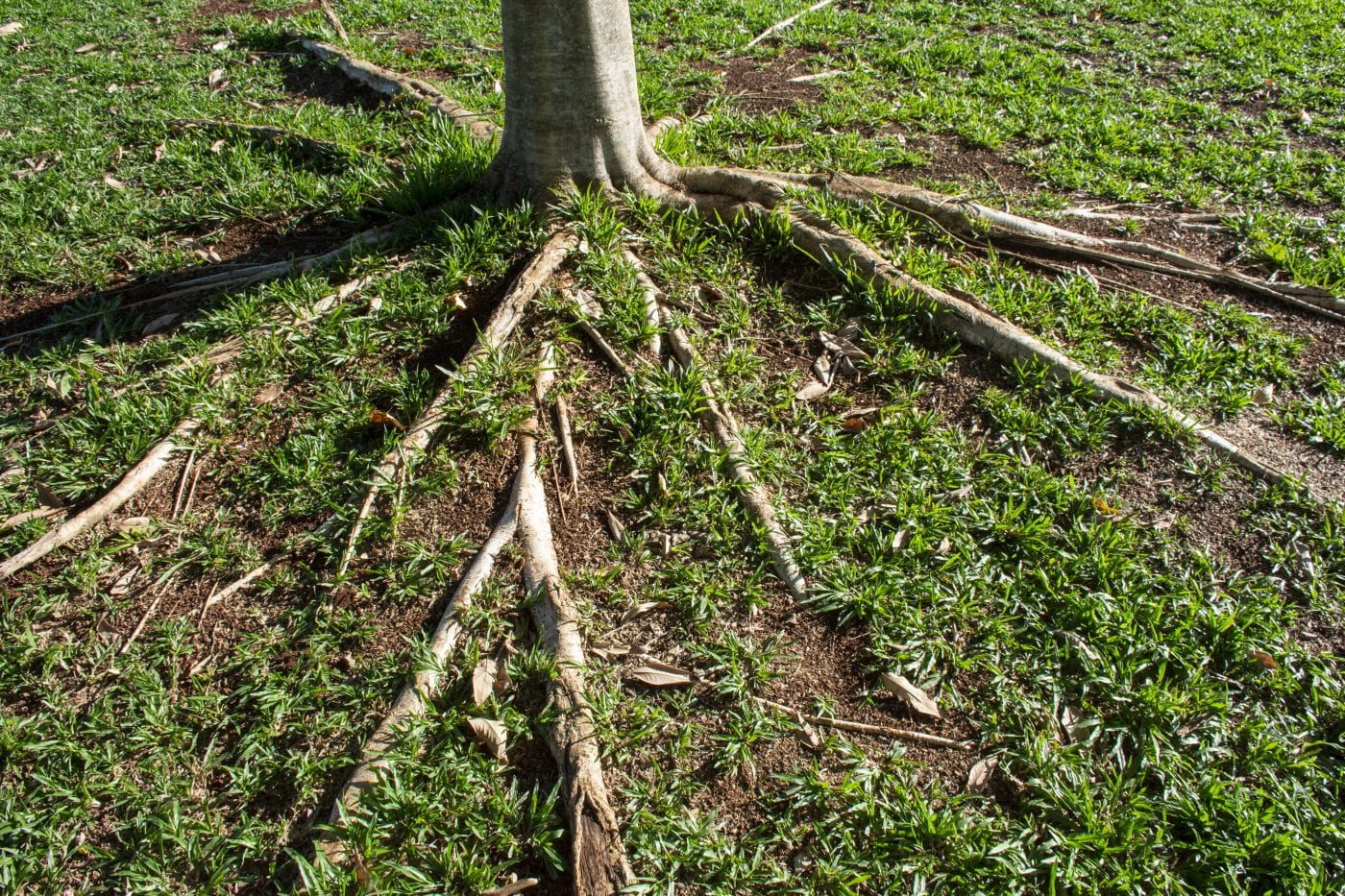
The hidden threat of tree roots: Large trees near your home can extend their root systems 2–3 times the width of their canopy. These roots actively seek moisture, drawing water from the clay soil beneath and around your foundation. This creates localized dry zones where the soil shrinks away from the slab, causing differential settlement — where one section of the foundation drops while the rest stays in place. Differential settlement causes the most visible and structural damage to a home.
Trees that pose the highest risk in DFW:
How root barriers work: We install physical barriers (typically high-density polyethylene panels) in a trench between the tree and your foundation. The barrier extends 24–36 inches deep and redirects root growth downward and away from your home. This protects your foundation while allowing the tree to remain healthy.
General rule: Trees should be planted at least 20 feet from your foundation. If you already have large trees closer than that, a root barrier is the best way to protect your home without removing the tree. Learn more about causes of foundation problems including root damage.
Schedule a Root AssessmentUneven driveways, sidewalks, and patios can redirect water toward your foundation. We level and repair concrete surfaces to restore proper drainage paths.
How uneven concrete affects your foundation: Driveways, sidewalks, patios, and garage floors that have settled or shifted can redirect water flow toward your home instead of away from it. A driveway that slopes toward your garage, for example, can funnel hundreds of gallons of rainwater directly against your foundation wall during every storm.
Common flat work problems in DFW:
Our approach: Stratum levels concrete using mudjacking (pumping a grout mixture beneath the slab to raise it) or polyurethane foam injection for lighter-weight, longer-lasting lifts. For severely damaged sections, we remove and replace the concrete with proper base preparation and drainage considerations.
Uneven concrete around your home isn’t just a cosmetic issue — it’s often an early warning sign of soil movement that could eventually affect your foundation. If you’ve noticed sections of your driveway, walkway, or patio shifting, it’s worth getting a professional opinion. Schedule a free assessment.
Get a Flat Work QuoteDallas-Fort Worth sits on expansive montmorillonite clay — one of the most reactive soil types in the country. This clay absorbs water and swells during wet seasons, then shrinks and cracks during dry spells. That constant push-and-pull cycle is what damages foundations across North Texas.
The single most effective thing you can do is maintain consistent soil moisture around your home year-round. That means proper drainage to prevent oversaturation during storms, and active watering during dry summer months to prevent the soil from pulling away from your foundation.
Maintenance is significantly more affordable than repair. The average foundation repair in DFW costs $2,500–$15,000. Maintenance services typically cost a fraction of that and can prevent damage entirely. Learn more about what causes foundation problems in North Texas.
Catching these early means prevention instead of expensive repair. Here’s what to look for around your DFW home.
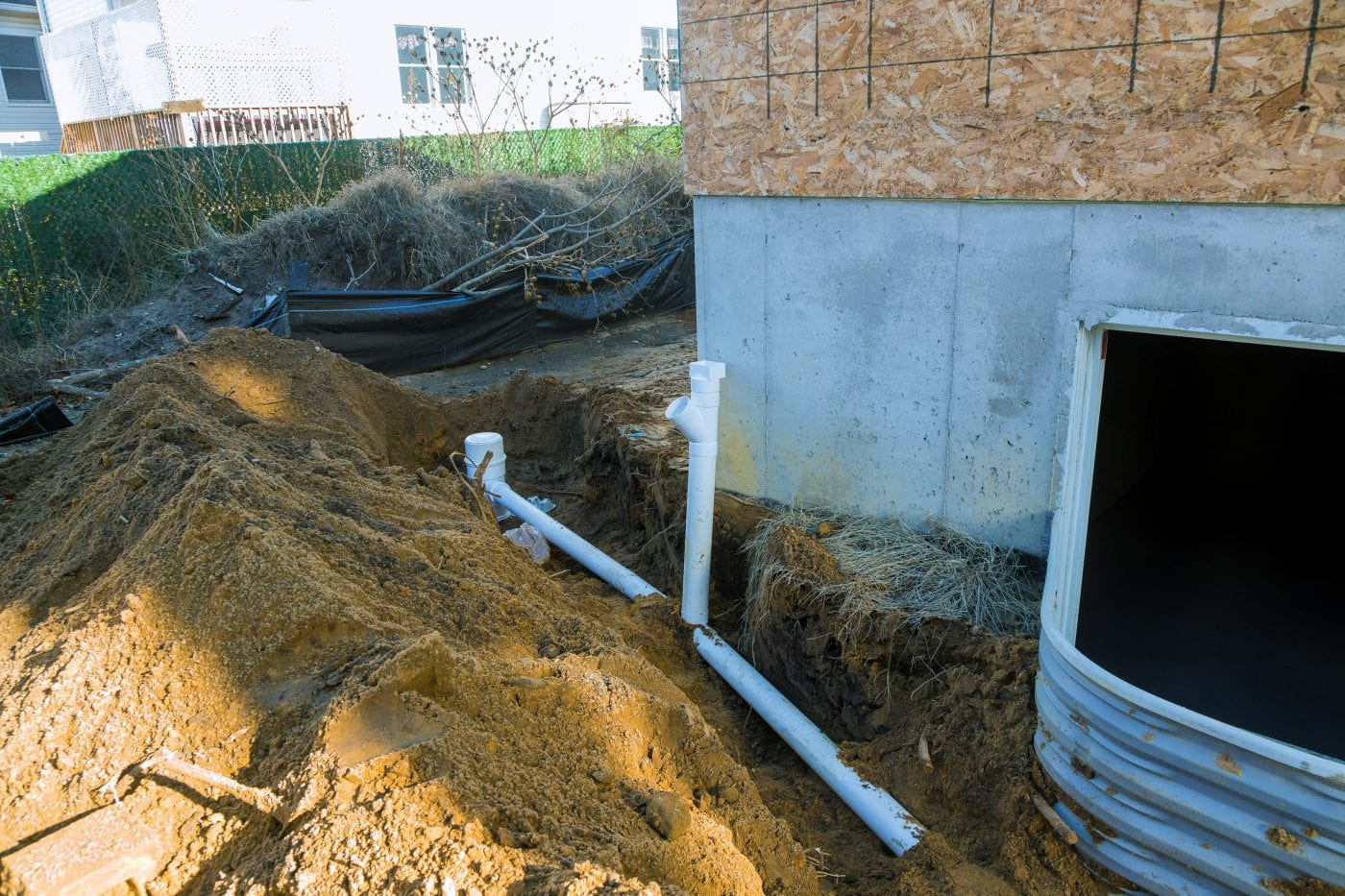
What it means: If you see puddles or saturated soil within 5–10 feet of your home after rainfall, water isn’t draining away from your foundation properly. This is the single most damaging condition for a foundation on North Texas clay soil.
What to do: Check your yard grading, gutter downspouts, and any drainage features. Water should always flow away from your home at a slope of at least 6 inches over 10 feet. If it doesn’t, you need a drainage correction before the water causes foundation movement.
Get a Free Drainage AssessmentWhat it means: A visible gap between the soil and your foundation slab — even as small as half an inch — indicates the clay has dried out and contracted. This is extremely common during DFW summers and is a direct precursor to foundation settlement.

What to do: Begin a consistent foundation watering routine immediately. Use soaker hoses placed 12–18 inches from the foundation, running 30–45 minutes per session, 3–4 times per week. Don’t flood the area — gradual, consistent moisture is the goal. If gaps are severe (over 1 inch), schedule a professional inspection to check for existing damage.
Schedule a Free Inspection
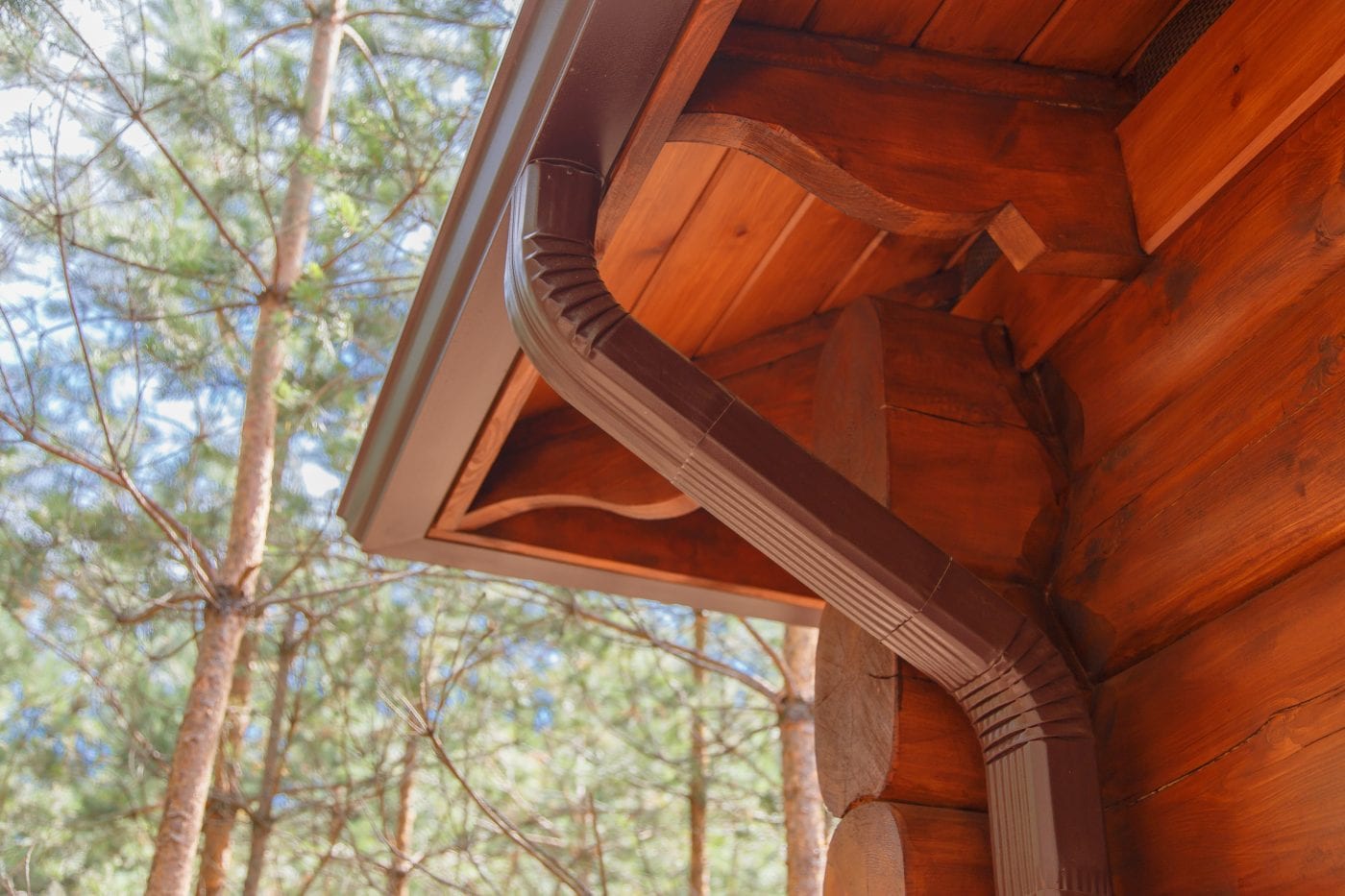
What it means: Gutters that are overflowing, missing sections, or discharging water at your foundation line are concentrating thousands of gallons of storm water right where it does the most damage. Over time, this erodes soil, reverses grading, and oversaturates clay.
What it means: Mature trees within 20 feet of your foundation are likely drawing significant moisture from the soil beneath your slab. This causes localized drying that leads to differential settlement — the most structurally damaging type of foundation movement. Live oaks, post oaks, pecans, and silver maples are especially aggressive in DFW.
What to do: Don’t remove the tree — install a root barrier instead. Physical barriers placed between the tree and your foundation redirect root growth downward and away from your home while keeping the tree healthy. If you’re already seeing signs of foundation damage near a large tree, get a professional assessment to determine whether the roots are the cause.
Get a Root Barrier Assessment
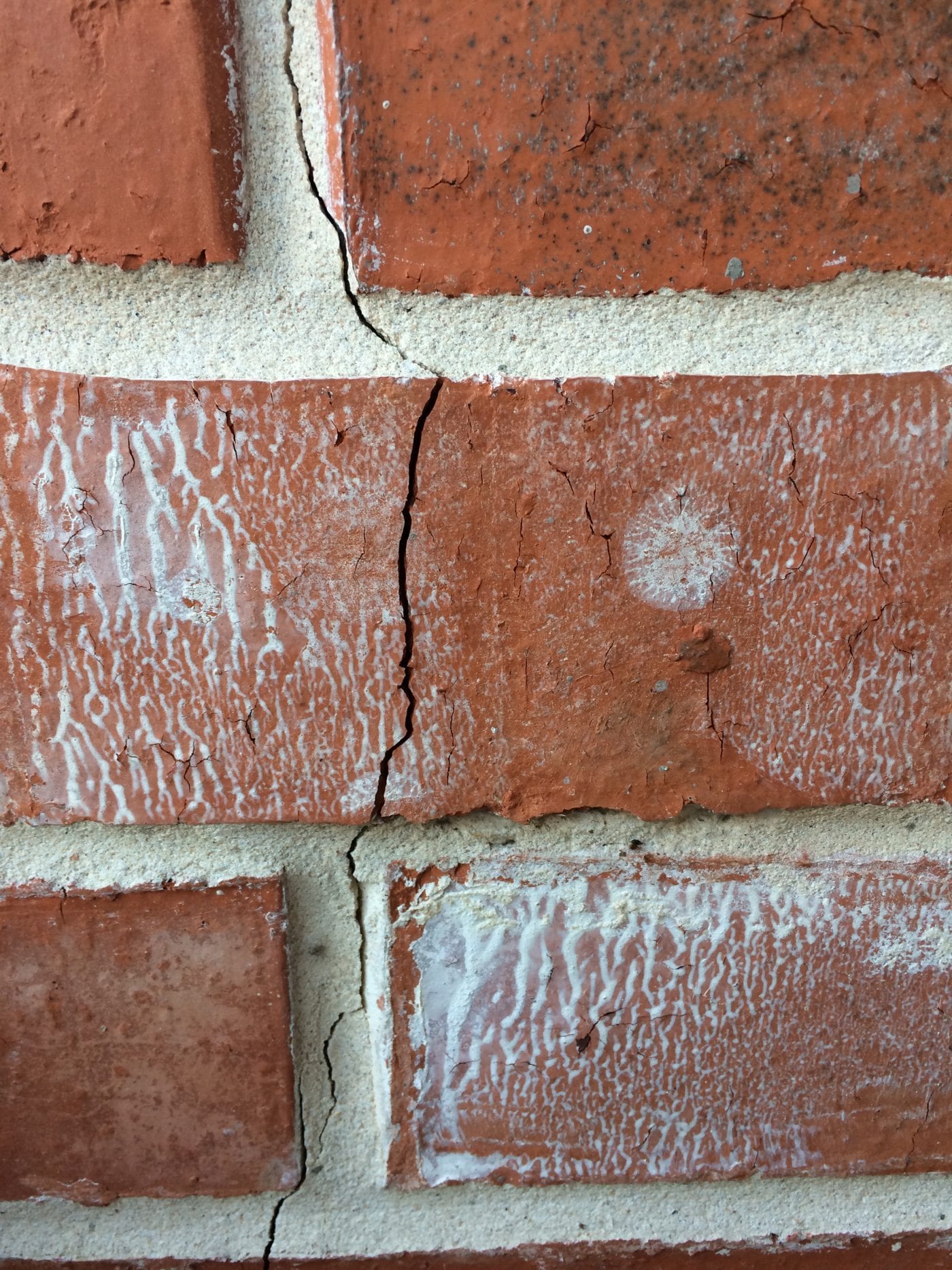
What it means: These are the earliest signs that your foundation may already be moving. Hairline cracks in drywall (especially at door and window corners), doors that stick or won’t latch, and floors that feel slightly uneven all indicate soil movement beneath your slab.
The critical question: Are these signs of a maintenance problem or a repair problem? Often, early-stage movement can be halted with proper drainage correction and moisture management — no pier work needed. But if these signs are ignored, the movement worsens and repair becomes necessary.
What to do: Schedule a free foundation inspection. Stratum’s NFRA-certified inspectors will take elevation measurements, assess soil conditions, and tell you whether maintenance or repair is the right path. If maintenance can solve it, you’ll save thousands compared to waiting until repair is the only option.
Book a Free Foundation InspectionNorth Texas weather puts unique demands on your foundation every season. Here’s what to focus on throughout the year.
Preventive maintenance costs a fraction of what repair costs. Here’s how they compare.
| Factor | Maintenance (Preventive) | Repair (After Damage) |
|---|---|---|
| Typical Cost | $200 – $3,000 | $2,500 – $15,000+ |
| Timeline | Same day to 1–2 days | 1–3 days + weeks of settling |
| Disruption | Minimal — exterior work only | Significant — excavation, heavy equipment |
| Addresses | Root cause (water, drainage, soil) | Symptoms (settlement, cracks, movement) |
| Cosmetic Repairs | None needed | Drywall, paint, brick, doors, windows |
| Home Value Impact | Preserves value — no history of damage | Requires disclosure on sale |
| Ongoing Need | Annual check-ups + seasonal care | Still need maintenance after repair |
Not sure what your home needs? Call (214) 302-8559 or schedule a free inspection.
Here’s the reality most homeowners don’t hear: Even after a foundation repair, you still need proper maintenance. Pier systems stabilize your foundation at the time of repair, but if the underlying drainage or moisture problems aren’t corrected, soil continues to move around the piers. That’s why Stratum’s lifetime warranty requires proper drainage maintenance — because we know it’s essential to long-term stability.
The most cost-effective approach is to invest in maintenance before damage occurs. A drainage correction that costs $1,500 today can prevent a $10,000 pier installation tomorrow. And unlike repair, maintenance doesn’t require disclosure when you sell your home — preserving your property value and avoiding buyer concerns.
If you’ve already noticed signs of foundation problems, don’t wait. The earlier you act, the more likely maintenance alone can solve the issue. Stratum’s free inspection will tell you exactly where you stand. Learn more about our pier systems if repair turns out to be necessary.
500+ five-star reviews from homeowners across North Texas.
Foundation maintenance in DFW means managing soil moisture, drainage, and grading around your home to prevent the clay soil movement that causes foundation damage. Key services include drainage correction (French drains, surface drains), foundation watering systems, gutter installation and repair, slope and grading adjustments, and root barrier installation. In North Texas, consistent soil moisture year-round is the single most important factor in preventing foundation problems. Stratum offers free inspections to assess your home’s maintenance needs — call 214-302-8559.
Maintenance is easier and far more affordable than repair. Schedule a free inspection to find out what your home needs.
Serving 100+ Cities Across Dallas-Fort Worth
McKinney · Dallas · Plano · Fort Worth · Frisco · Allen · Arlington · Denton · Garland · Lewisville · Prosper · Houston