How Much Does Foundation Repair Cost in DFW? 2026 Pricing Guide for Frisco, McKinney, Plano & Allen Homeowners
Foundation problems don’t wait for a convenient time to appear. If you’re a homeowner in Frisco, McKinney, Plano, Allen, or Garland noticing cracks in your walls, doors that stick, or uneven floors, your first question is likely: “How much is this going to cost me?”
The answer isn’t simple, but it’s one you need to understand before picking up the phone to call a contractor.
What Does Foundation Repair Actually Cost in DFW?
At Stratum Foundation Repair, we believe in transparent pricing. Based on our extensive work throughout the Dallas-Fort Worth metroplex, here’s what homeowners in Frisco, McKinney, Plano, Allen, and Garland actually pay:
Average foundation repair cost in DFW: $5,000 to $8,500
Stratum’s average repair cost: $5,284.92 for the DFW metroplex
This figure represents typical residential repairs for homes in Frisco, McKinney, Plano, Allen, and Garland. However, costs vary significantly based on the severity of damage and the repair method required.
Cost Breakdown by Repair Type
Minor Repairs ($500 – $2,000)
- Crack sealing with epoxy injection
- Small cosmetic fixes
- Limited foundation settling
Moderate Repairs ($3,500 – $7,500)
- Foundation piering (5-10 piers)
- Partial foundation leveling
- Drainage correction systems
Major Repairs ($8,000 – $25,000+)
- Full foundation underpinning
- Extensive piering systems (15+ piers)
- Complete house leveling
- Plumbing line replacement
Severe Structural Repairs ($30,000 – $100,000+)
- Full foundation replacement
- Major structural reinforcement
- Commercial properties
Not sure which category your foundation falls into? Get a free inspection from Stratum Foundation Repair. Our licensed engineers will assess your foundation and provide a detailed estimate with no sales pressure. Schedule Your Free Inspection →
What Drives Foundation Repair Costs in North Texas?
1. The DFW Clay Soil Problem
The Dallas-Fort Worth area sits on expansive clay soil—some of the most volatile in the country. This clay expands when wet and contracts when dry, creating constant pressure on your foundation.
North Texas has some of the highest soil plasticity in the world, which directly impacts repair frequency and cost. Homes in Frisco, McKinney, and Plano face continuous soil movement throughout the year, making foundation issues almost inevitable.
2. Number of Foundation Piers Required
Foundation piers are the primary stabilization method in Texas. Costs vary by pier type and quantity:
- Concrete pressed piers: $300 – $600 per pier
- Steel piers: $1,000 – $1,500 per pier
- Helical piers: $1,200 – $1,800 per pier
- Drilled concrete piers: $800 – $1,200 per pier
A typical repair requires 8-12 piers, but severe cases may need 20 or more. The type of pier system depends on soil conditions, depth to stable soil, and the weight of your structure.
3. Home Size and Foundation Type
Larger homes cost more to repair due to increased weight and foundation size. A 1,500-square-foot home might need 8 piers, while a 3,000-square-foot home could require 15-20.
Foundation type also matters:
- Slab foundations (most common in Frisco, Plano, McKinney): Require pier and beam systems, tunneling or slab penetration access
- Pier and beam foundations (common in older Allen and Garland neighborhoods): May need crawl space work, beam replacement, shimming
4. Extent of Foundation Damage
Foundation issues in North Texas typically present as:
- Exterior brick cracks or gaps
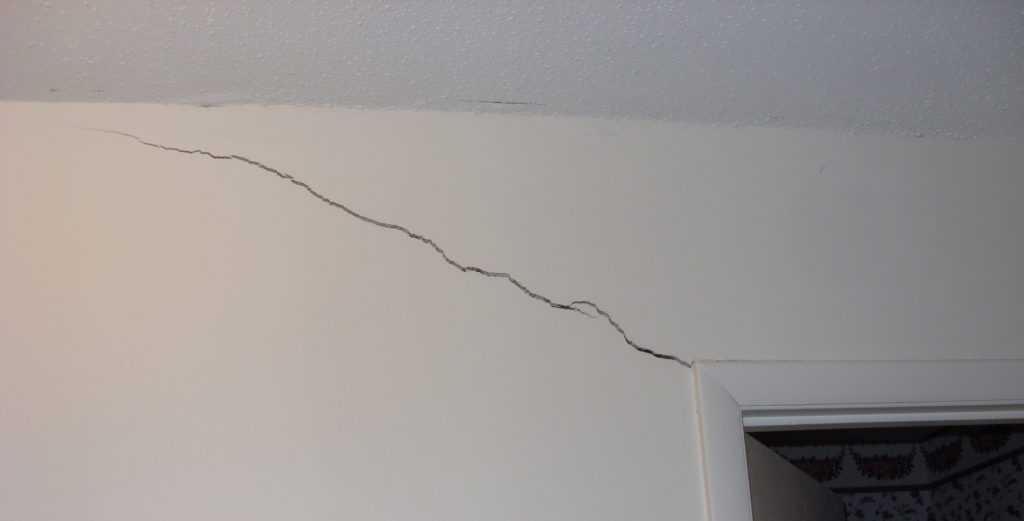
- Interior sheetrock cracks (especially around doors and windows)
- Doors and windows that stick or won’t close
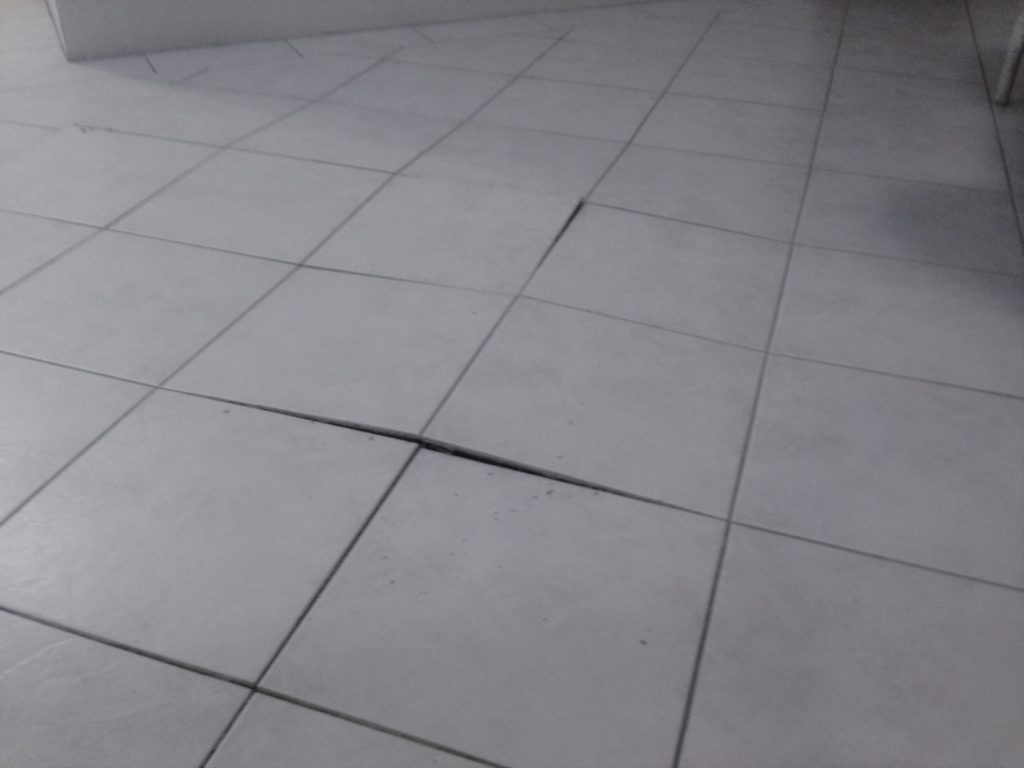
- Uneven or sloping floors
- Gaps between walls and ceiling or floor
- Separation between walls and trim
The more extensive the visible damage, the more severe the underlying foundation movement—and the higher the repair cost.
5. Access and Site Conditions
Repairs cost more when access is limited. Factors that increase price:
- Landscaping that must be removed and replaced
- Driveways or walkways blocking access
- Tight side yards in dense Frisco or McKinney neighborhoods
- Interior foundation work requiring floor removal
6. Additional Repairs and Services
Foundation work often reveals or causes related issues:
Engineering reports: $300 – $800 for initial inspection, $200 – $500 for final certification. At Stratum Foundation Repair, we require professional structural engineer evaluation for all significant foundation work—it’s the only way to ensure your repair is done right.
Plumbing repairs: $2,000 – $10,000+. Foundation movement can crack water and sewer lines running under your slab. Stratum always recommends a hydrostatic plumbing test ($100-$300) after foundation repair to protect your investment and maintain your warranty.
Drainage systems: $2,000 – $8,000. Poor drainage accelerates foundation damage. Stratum offers comprehensive drainage solutions including French drains, surface drainage, and downspout extensions to prevent recurring problems.
Interior cosmetic repairs: $1,000 – $5,000. Fixing drywall cracks, rehanging doors, and addressing floor issues after foundation work.
City-Specific Cost Considerations
Stratum Foundation Repair has offices in Plano, Allen, McKinney, Frisco, Prosper, and Garland—we know these communities and their unique foundation challenges.
Frisco Foundation Repair Costs
Frisco’s newer construction (post-2000) typically features modern slab foundations. Repair costs average $5,500 – $7,500 due to:
- Larger home sizes (2,500-4,000 sq ft common)
- Master-planned community landscaping requiring careful preservation
- HOA restrictions on visible exterior work
Stratum’s Frisco office: 6136 Frisco Square Blvd | 972-468-0730
McKinney Foundation Repair Costs
McKinney’s mix of historic homes and new developments creates cost variation. Older homes (pre-1980) with pier and beam foundations may see lower costs ($4,000-$6,500), while newer subdivisions match Frisco pricing at $5,500-$7,500.
Stratum’s McKinney office: 1402 Custer Rd Suite 904 | 214-302-8559
Plano Foundation Repair Costs
Plano homeowners typically pay $5,000 – $8,000 for foundation repairs. West Plano’s older neighborhoods (1970s-1990s) often have settled foundations requiring 10-15 piers, while East Plano’s newer construction may need fewer interventions initially.
Stratum’s Plano office: 101 E Park Blvd Suite 680 | 972-427-3554
Allen Foundation Repair Costs
Allen’s foundation repair costs average $5,000 – $7,000. The city’s varied housing stock—from 1980s subdivisions to new construction—means repair needs differ significantly by neighborhood age and original soil preparation quality.
Stratum’s Allen office: 1002 Raintree Cir Suite 100 | 214-302-8559
Garland Foundation Repair Costs
Garland’s older housing stock often requires more extensive repairs. Costs range from $5,500 – $9,000, with many homes needing both foundation stabilization and drainage correction due to decades of soil movement.
Stratum’s Garland office: 675 Town Square Blvd Suite 200, Building 1A | 469-626-6173
Hidden Costs to Budget For
Foundation repair rarely happens in isolation. Plan for these potential expenses:
- Temporary housing: Not usually required, but major repairs may take 3-5 days with crews working outside your home daily
- Permit fees: $50 – $350 depending on municipality and scope of work
- Landscaping restoration: $500 – $3,000 for replanting, sod, mulch after equipment access
- Foundation watering system: $2,500 – $5,000 for automated soaker hose system to prevent future damage
- Root barriers: $1,500 – $4,000 if large trees are contributing to foundation movement
Does Insurance Cover Foundation Repair in Texas?
Standard homeowners insurance in Texas typically does not cover foundation issues related to settling or soil movement. Coverage only applies if foundation damage results from a covered sudden event:
- Plumbing leak from a burst pipe
- Fire damage
- Vehicle impact
- Other sudden, accidental direct damage
Gradual foundation settling due to North Texas clay soil is considered a maintenance issue, not a covered claim.
How to Get Accurate Foundation Repair Estimates
When you contact Stratum Foundation Repair for an estimate, here’s what you can expect:
Our Process:
- Free inspection: We send a qualified inspector to evaluate your foundation—no obligation, no pressure
- Engineer evaluation: A licensed structural engineer reviews your foundation’s condition
- Detailed written estimate: You receive an itemized breakdown of all costs—labor, materials, permits, engineering
- Lifetime transferable warranty: Our repairs are backed by a warranty that stays with your home, increasing resale value
- Clear communication: We explain exactly what’s needed and why, in plain language
What to ask any foundation company:
- Require engineer evaluation: Don’t rely solely on contractor assessments. Stratum uses independent structural engineers for unbiased analysis
- Ask about warranty: Our lifetime transferable warranty protects your investment. Many companies offer limited or non-transferable warranties
- Verify pier specifications: We confirm pier type, depth, placement, and number in writing before work begins
- Request itemized pricing: Stratum provides complete transparency—you’ll know exactly what you’re paying for
- Check BBB rating and reviews: Stratum maintains an A+ BBB rating and hundreds of verified customer reviews
Ready for your free estimate? Call Stratum Foundation Repair or request an inspection online. We serve Frisco, McKinney, Plano, Allen, Garland, and the entire DFW metroplex.
When Foundation Repair Costs Less: Early Intervention
The single biggest factor in controlling foundation repair costs? Catching problems early.
A hairline crack repaired today costs $500. That same crack, left untreated for two years as it widens and allows water intrusion, could require $8,000 in foundation stabilization and drainage correction.
September through November is the peak season for foundation problems in North Texas due to rapid soil moisture changes. However, early detection during any season prevents costlier repairs later.
Red Flags That Should Trigger an Inspection
Schedule a foundation inspection if you notice:
- Cracks in exterior brick wider than 1/4 inch
- Interior drywall cracks forming diagonal patterns
- Doors suddenly sticking or gaps appearing in frames
- Floors developing noticeable slopes
- Gaps forming between walls and trim or ceiling
- Windows becoming difficult to open or close
- Cracks in garage floor or driveway pointing toward the house
See any of these signs? Don’t wait. Stratum Foundation Repair offers free inspections with no obligation. Our licensed engineers will tell you exactly what’s happening with your foundation—and what it will take to fix it.
Call now for your free inspection:
- Frisco: 972-468-0730
- McKinney: 214-302-8559
- Plano: 972-427-3554
- Allen: 214-302-8559
- Garland: 469-626-6173
Financing Foundation Repair in DFW
Stratum Foundation Repair offers flexible financing options to make repairs affordable:
- 0% APR financing: 12-18 months same-as-cash for qualified buyers
- Low-interest payment plans: 24-60 month terms with competitive rates
- Multiple lenders: We work with several financing partners to find your best option
- Quick approval: Most applications processed within 24 hours
- No prepayment penalties: Pay off early without fees
Don’t delay necessary repairs due to cost concerns. Foundation damage worsens exponentially over time, ultimately costing far more than early intervention. Stratum’s financing team will help you find a payment plan that works for your budget.
Ask about financing options during your free inspection.
The Bottom Line on DFW Foundation Repair Costs
Foundation repair in Frisco, McKinney, Plano, Allen, and Garland averages $5,000 – $8,500 for typical residential repairs. At Stratum Foundation Repair, our average is $5,284.92—and we back every job with a lifetime transferable warranty.
Your actual cost depends on damage severity, home size, pier requirements, and site conditions. The only way to get an accurate estimate is through a professional inspection by a licensed engineer.
The expansive clay soil throughout North Texas means foundation maintenance isn’t optional—it’s part of homeownership in this region. Regular inspections, proper drainage, and consistent foundation watering can minimize repair frequency and severity.
If you’re seeing signs of foundation problems, don’t wait for the “right time” to address them. Foundation issues never improve on their own, and early intervention always costs less than delayed repairs.
Get Your Free Foundation Inspection Today
No obligation. No sales pressure. Just honest answers about your foundation.
Stratum Foundation Repair has been serving North Texas homeowners for over 20 years. We have offices throughout the DFW metroplex and a team of licensed engineers ready to evaluate your foundation.
What you’ll get:
- ✓ Free on-site foundation inspection
- ✓ Licensed engineer evaluation
- ✓ Detailed written estimate
- ✓ Clear explanation of any issues
- ✓ Repair options and timeline
- ✓ Lifetime transferable warranty
- ✓ Flexible financing available
Schedule your free inspection:
📞 Frisco: 972-468-0730
📞 McKinney: 214-302-8559
📞 Plano: 972-427-3554
📞 Allen: 214-302-8559
📞 Garland: 469-626-6173
Or request an inspection online: www.stratumfoundationrepair.com
Don’t let foundation problems get worse. Call Stratum Foundation Repair today and get the answers you need to protect your most important investment—your home.


Recent Comments